Worldbuilding · Essay 07
Magic Systems Should Make Interesting Trouble
Keep the pointy hat. Give the wizard a power that turns one obvious problem into a much harder choice.
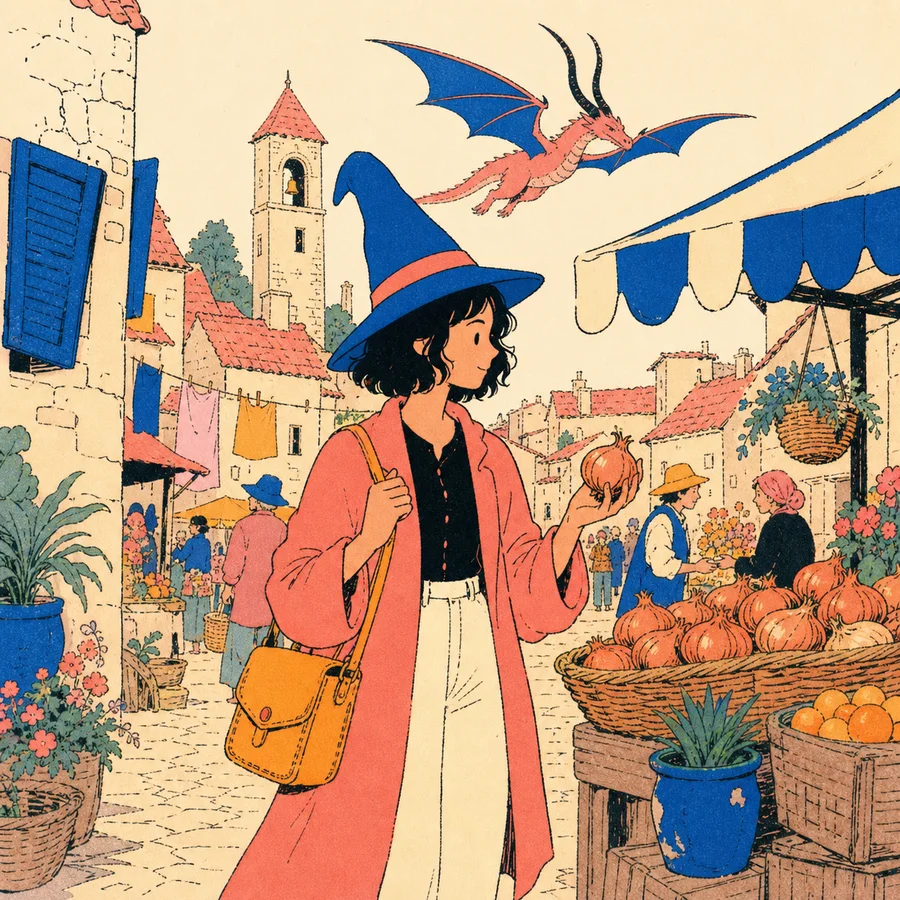
Say magic and most of us picture a wizard in a pointy hat. I do too. Mine is called Tamsin, her hat is blue, and a dragon has just landed on the town bell tower while she is buying onions. This is a perfectly good place to begin. Good magic systems do not need powers nobody has imagined before. They need understandable possibilities, useful limits, and consequences that force the wizard to choose.
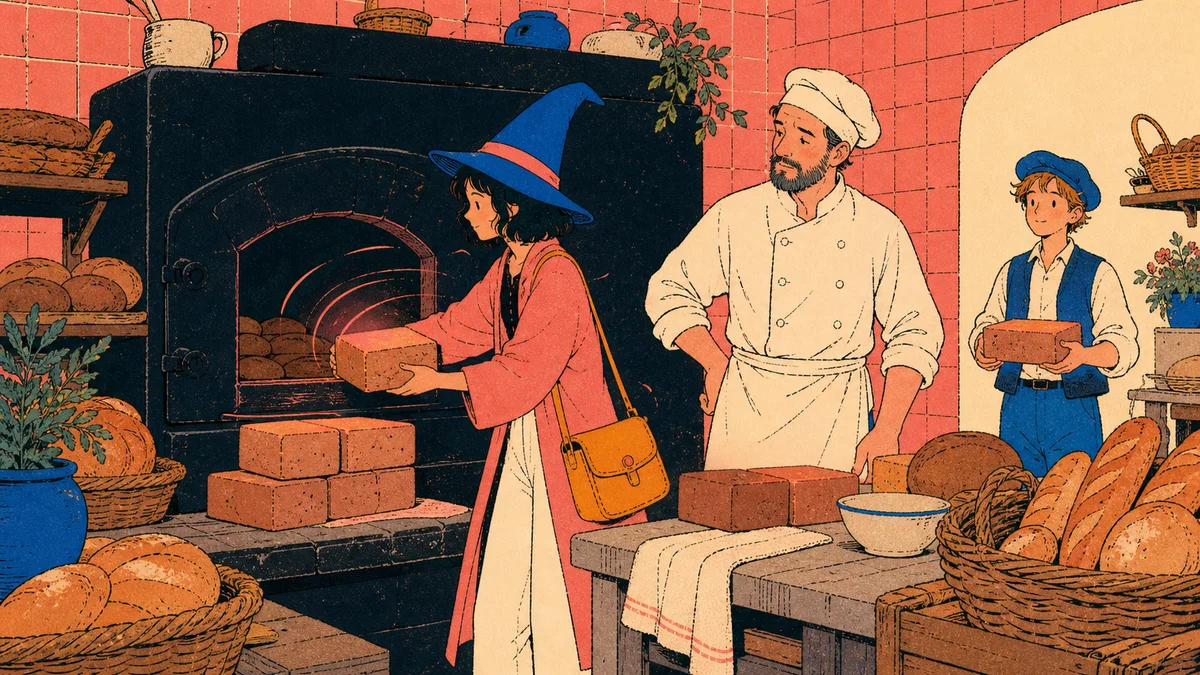
Tamsin is the only working wizard in Rookbridge. On ordinary days, she thaws frozen locks, cools the baker's ovens before they scorch the bread, and moves heat into thick clay bricks that families keep beside their beds in winter. Her magic cannot make heat or destroy it. She can only take it from one place and put it somewhere else.
The town knows this. People bring hot bricks to her shop for a few coppers. Children dare each other to touch the brass chimney because it is always cold. The baker still accuses her of stealing three good degrees from yesterday's rye.
Then the dragon settles around the bell tower, smoke slipping between its teeth. Tamsin's younger brother is trapped in the room beneath it. Everyone in the square turns toward the woman in the pointy hat. They would like a fireball.
Tamsin can give them one. She only has to decide what in Rookbridge will go cold.
That is when a magic system becomes a story instead of a catalogue.
I understand why writers begin with powers. Powers are fun. You can walk through walls, speak to storms, turn an enemy into a decorative shrub. A blank notebook practically begs for twelve schools of magic and an argument about which color robe the dangerous students wear.
But a power is still only a possibility. Story begins when somebody wants to use it and discovers that using it will make another problem.
Tamsin knows where Rookbridge keeps its heat. The bakery ovens are full. The glasshouse is protecting the first spring seedlings. The inn has six copper tanks warming bathwater. Twenty-seven family hearths are burning, although she refuses to count the mayor's drawing-room fireplace because nobody has sat in that room since his aunt criticized the curtains.
Any of those could feed a spell. None of them is simply fuel.
How do you create a magic system for the story?
A magic system can let characters solve problems through knowledge and ingenuity. It can create wonder, dread, temptation, social power, or uncertainty. It can behave like a craft, a faith, a dangerous inheritance, a natural force, or something a wizard has been meaning to repair since Tuesday.
Those different jobs ask the reader to know different things.
If Tamsin defeats the dragon by using a property of heat magic, the reader should learn that property before she needs it. If the dragon is an ancient, uncanny presence that has come to ask for her name, explaining its entire supernatural biology may only make it feel like a large reptile with paperwork.
Brandon Sanderson describes hard and soft magic as ends of a continuum. The useful distinction is not that one is proper and the other has misplaced its notes. It is about what the story promises. When readers understand a power, they can enjoy watching a character use it cleverly. When the power remains mysterious, it is better at producing awe, dread, or temptation than at arriving in the final chapter with a convenient solution.
That seems right to me. If a wizard wins because of a rule the reader already understood, the pleasure belongs partly to the reader. If the wizard wins because the author unveils a new exception on page 382, the author is mostly applauding himself.
Before naming the seven elements or drawing the moon phases, I would ask a plainer question: What is magic allowed to do in the plot?
Tamsin can move heat she can feel. She cannot move it through iron. She can carry only as much as her body can withstand, unless she passes it into a prepared object. Those rules may become tools.
We do not yet need to know where heat magic came from, whether the first wizard bargained with the sun, or why pointy hats remain popular despite every available doorway. Those answers can wait until the story asks for them.
Let magic system limitations create choices
Sanderson's second law favors limitations over powers. I would soften the word law, because fantasy already has plenty of robed officials, but the preference is sound. What magic cannot do often creates the better scene.
The simplest limit is a fuel gauge: three spells a day, seven blue stones, one headache per dragon. Those limits can work. They give danger a visible edge.
The limit starts doing useful work when Tamsin has to choose who pays for it.
Tamsin cannot create heat. To throw fire at the bell tower, she must take warmth from somewhere else. The rule immediately reaches beyond her spellbook. If she drains the bakery, food burns badly and the morning loaves are lost. If she drains the glasshouse, the seedlings may die. If she draws from every hearth in town, no single family pays much, but she has taken something from all of them without asking.
Now the spell has an argument inside it.
A limitation describes what magic cannot do. A cost is what using it takes or changes. A weakness gives somebody a way to oppose it. The labels are useful in notes, but they are not separate drawers that must each contain one shining object.
Iron blocks Tamsin's magic. That limits where she can cast. It lets an enemy resist her. It also means the iron bell above her brother's head prevents her from simply pulling the dragon's heat through the tower.
One detail is doing several jobs, and all of them point back toward the same difficulty.
The dragon breathes fire. Tamsin can feel that heat from the square, but the iron bell cuts the clean path between them. She could climb the outside of the tower. She could ask her brother to ring the bell and hope the moving iron opens a gap. She could empty the town's hearths and attack from below.
Knowing the rule has not solved the scene. It has given Tamsin three unpleasant ideas.
Ask magic system worldbuilding questions where magic touches ordinary life
Once magic has existed longer than ten minutes, somebody will find a daily use for it. Somebody else will tax it, forbid it, fake it, inherit it, and sell a cheaper version near the station.
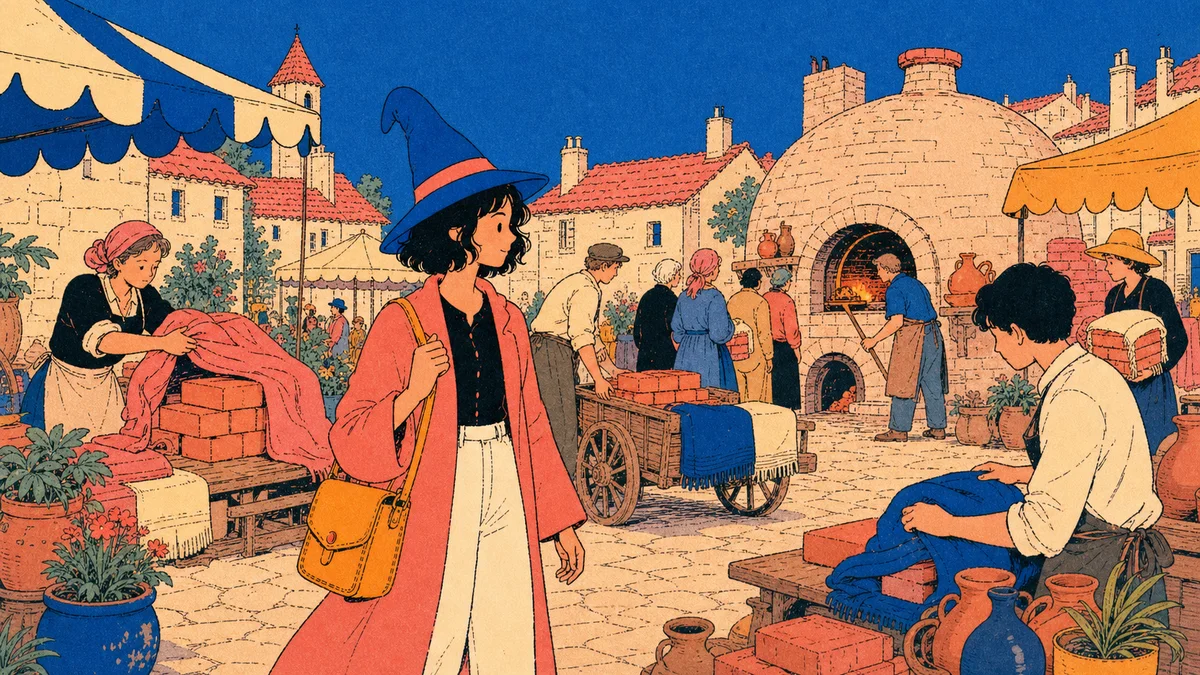
Rookbridge does not treat Tamsin as a mysterious woman who appears only when the plot needs blue light. People know what she does. Potters buy heat from her kiln room. The butcher pays her to cool the shop in summer. Wealthy houses store warmth in glazed bricks; poorer families share a public oven and carry the bricks home wrapped in old blankets.
That arrangement tells us more about the town than another paragraph about elemental theory.
It also creates friction. Who owns waste heat from the forge? Can Tamsin take warmth from a burning building if the owner objects? Does the town pay her to keep an emergency store? Has anyone discovered how to smuggle summer heat into winter and sell it at an appalling markup?
Patricia C. Wrede offers a generous bank of questions about magical sources, access, training, price, institutions, and evasions. The generosity is helpful. So is the reminder that not every question belongs in every story.
Where did heat magic come from? Interesting, perhaps.
Who owns the stored heat in the glasshouse? Tamsin needs that answer now.
Can another wizard sense a transfer? That matters if someone has been quietly draining the town for weeks.
What happens to Rookbridge after today's spell? That matters because a town remembers who was warm and who was asked to shiver.
Worldbuilding questions earn their place when they touch a person, a room, or a choice the story has already made immediate. Tamsin does not need a representative from every magical profession waiting in the square. She needs the baker shouting about his ovens, the glasshouse keeper holding the key to the heat store, and her brother tugging the bell rope beneath a dragon.
Are hard and soft magic systems better at different things?
Writers sometimes discuss hard and soft magic as if fantasy has two school tracks and the soft students have been asked to remain after class.
A hard magic system gives readers dependable knowledge about what magic can do. A soft magic system keeps more of its workings uncertain. Most stories mix the two. These terms describe the reader's relationship with the magic, not its quality.
N. K. Jemisin has argued forcefully for magic that remains intuitive, emotional, mysterious, and unlike science. Her objection matters because rule-heavy advice can make wonder sound like an error the writer forgot to correct.
I do not want an answer for everything. I want the right things to be clear.
Perhaps nobody knows why certain people can feel heat through stone. Perhaps old wizards claim the power is borrowed from a sleeping god. Perhaps Tamsin thinks that is nonsense right up until the forge whispers her name.
All of that can remain soft.
The local expectations still need care. If Tamsin moves heat through iron without explanation, the reader will notice. If she discovers that dragon fire behaves differently, the story should prepare us to understand the discovery rather than merely announce it when she needs a win.
The story does not need a textbook. It does need to remember what it has taught.
Sometimes that teaching is precise: iron blocks a transfer.
Sometimes it is tonal: heat magic always leaves something unexpectedly cold.
Sometimes it is emotional: Tamsin can move warmth between objects more easily than she can ask her neighbors to sacrifice it.
The writer needs enough knowledge to make the next scene honest. The reader needs enough to feel the intended surprise instead of the author's thumb on the scale.
Test a hard magic system in a scene before expanding it
Questionnaires are good at producing answers. Scenes are better at exposing which answers matter.
I would test Tamsin's magic first on an ordinary morning. The baker opens an oven that is running too hot. She draws the excess warmth into three clay bricks, gives one to a shivering delivery boy, and stacks the other two in her cart. The reader sees what she can do without anybody reciting a rule.
Then I would let the magic fail. Tamsin tries to pull heat through an iron stove door and cannot. She burns her hand reaching for the latch because ordinary physics has not agreed to leave merely because a wizard entered the room.
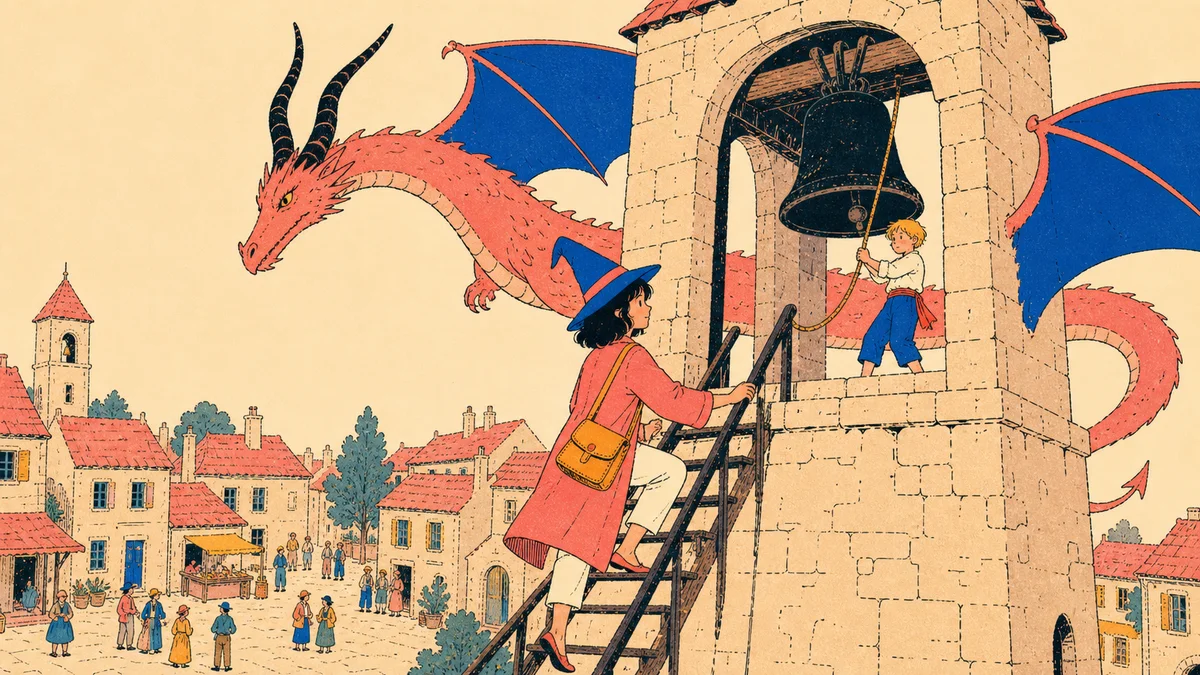
Then comes the dragon. The town wants one enormous spell. Tamsin can provide it by draining the stored warmth from the glasshouse, or she can climb the tower and try to redirect the dragon's own flame from the other side of the bell.
The exact order may change. I only want to see the power when it is routine, when it resists, and when somebody must decide what using it is worth.
A scene also exposes decorative complexity. I may have invented nine kinds of heat-bearing stone, but Tamsin keeps reaching for the same clay bricks. Good. Eight stones can remain in the notebook. I may have designed a royal order of flame priests, but this story belongs to a town wizard, a baker, and a boy beneath a bell. The priests will survive without being introduced.
Cutting unused mechanics does not make the world smaller. It keeps our attention on the part currently alive.
A scene may also show me the rule I forgot. Can Tamsin move heat from a living body? Can she catch dragon fire while it is still flame, or only after it strikes something? Does carrying too much heat injure her, distort the spell, or attract creatures that hunt warmth?
Those questions came from action. Their answers are more likely to deserve space.
This is also why a novel outline should remain adjustable. If the best consequence appears while writing Chapter Four, the outline can change. A rule does not become good merely because it arrived before the draft.
Original magic usually comes from connection, not novelty
You will probably not invent a power nobody has imagined. Human beings have already given ourselves flight, invisibility, prophecy, transformation, mind-reading, fire, ice, suspicious jewelry, and several unwise arrangements with immortality.
I do not mind.
Originality often comes from the connection between power, person, place, and consequence.
Fire magic is familiar. So are dragons, towers, bells, and pointy hats. But Tamsin's winter heat trade, the clay bricks beside family beds, the brother beneath the bell, and the town watching to see whose warmth she takes begin to create this particular story.
The system also gains character from what people believe about it. The baker thinks heat remembers its first home, which is why transferred fire never browns bread properly. Tamsin says he invented that belief after one bad loaf. She may be right. He may be right. The bread may simply be terrible.
I would keep the disagreement.
Familiar magic becomes particular when it belongs to these people and leaves consequences in their lives. Adding a ninth element will not do that work for us.
How much of a magic system should you explain?
Fantasy exposition sometimes enters the room several pages before the wizard. It introduces the ancient orders, the prohibited eighth flame, and the war caused by a disputed footnote. The actual scene waits outside with its hat in its hands.
I prefer to explain a rule when it changes what someone can do, expect, fear, or misunderstand.
Tamsin does not need to tell herself that she can move heat. She can open the baker's oven, touch a clay brick, and watch frost crawl across the iron handle she cannot cast through. Her actions carry the rule.
She may need to explain why she cannot simply freeze the dragon if the baker asks:
“Take the heat out of it,” he says.
“Through the bell?”
“Around the bell.”
“Excellent. I'll ask the fire to bend politely.”
The exchange gives us information, attitude, and the useful fact that desperate people become experts in magic very quickly.
If dialogue begins to sound like two mouths delivering a manual, the same repairs used for writing dialogue with subtext and physical context still apply. Give the speakers different wants. Let them interrupt. Put something hot, heavy, breakable, or alive in the room.
Not every fact needs camouflage. Sometimes a plain sentence is merciful: Iron blocks heat magic. Fine. Clarity is not an artistic defeat.
The explanation earns its place because the bell is between Tamsin and the dragon.
When is a soft magic system ready for the draft?
At some point the notebook starts asking for the childhood history of every licensed wand maker. That is usually enough planning.
A magic system is ready when you know enough to write the next meaningful use, failure, or choice. Its rules can give character choices shape. Its mysteries can leave room for wonder. Its ordinary consequences can help you build the parts of a fantasy world your characters can actually reach.
You do not need to finish the system before the story begins. You need enough magic to make the next scene more difficult.
Useful answers, briefly
Magic systems FAQ
What is a magic system?
A magic system is the set of expectations a story creates around supernatural power: what it can do, who can use it, what it requires, and how it affects the world. The system can be explicit and rule-heavy or mostly mysterious. It only needs enough shape to make the story's surprises feel intentional.
Does every fantasy story need a magic system?
No. A fantasy story may contain one uncanny event, a mysterious creature, divine power, folklore, or no active magic at all. Use a system when recurring expectations about magic help the story; do not install one merely because the genre paperwork appears to have a blank box.
What is the difference between a hard magic system and a soft magic system?
A hard magic system gives the reader dependable knowledge about what magic can do, which makes rule-based solutions easier to earn. A soft magic system keeps more of its workings unknown, which can strengthen wonder, dread, and uncertainty. Many stories combine clear local rules with a mysterious larger source.
How many rules should a magic system have?
Use enough rules to support the choices and surprises the story places on the page. One strong limit that keeps creating consequences may do more than twenty named laws. If a rule never changes action, expectation, or feeling, it can probably remain in your private notes.
Does magic need a cost?
Not always, but magic needs boundaries if it will solve important conflicts. A cost is one kind of boundary; so are limited access, incomplete knowledge, vulnerability, social consequences, or a power that cannot perform the needed task. Choose the boundary that creates the most honest difficulty for this story.
How do I make a magic system feel original?
Connect familiar powers to a particular person, place, relationship, and consequence. Originality often comes from who uses the magic, what ordinary life has done with it, and which choice it makes painful. Another new element is less useful than a result only this story could produce.
The rule of thumb
Before adding another power, write one scene where the existing magic works, fails, or asks for something the character does not want to give.
Tamsin still has the glasshouse key in her pocket. The dragon is scraping its claws along the bell tower. Her brother has stopped ringing the bell, which may mean he has understood her plan or may mean something worse.
She pulls her blue hat down hard and starts climbing.
Further reading
Sources
- Brandon Sanderson (opens in a new tab) supported the hard-to-soft continuum and the relationship between reader understanding and magic resolving conflict. His second law essay (opens in a new tab) supported the distinction among limitations, weaknesses, and costs.
- N. K. Jemisin (opens in a new tab) supported the counterargument that magic may remain emotional, intuitive, mysterious, and deliberately unlike science.
- Patricia C. Wrede (opens in a new tab) supported choosing the degree of rule by the needs of the writer and story. Her magic and magician questions (opens in a new tab) supported the prompts about source, access, price, institutions, and evasion.