Story craft · Essay 12
How to Write a Hook Without Lying to the Reader
A divorce-day wedding cake, twelve optimistic forks, and a first page that promises the story it actually plans to tell.
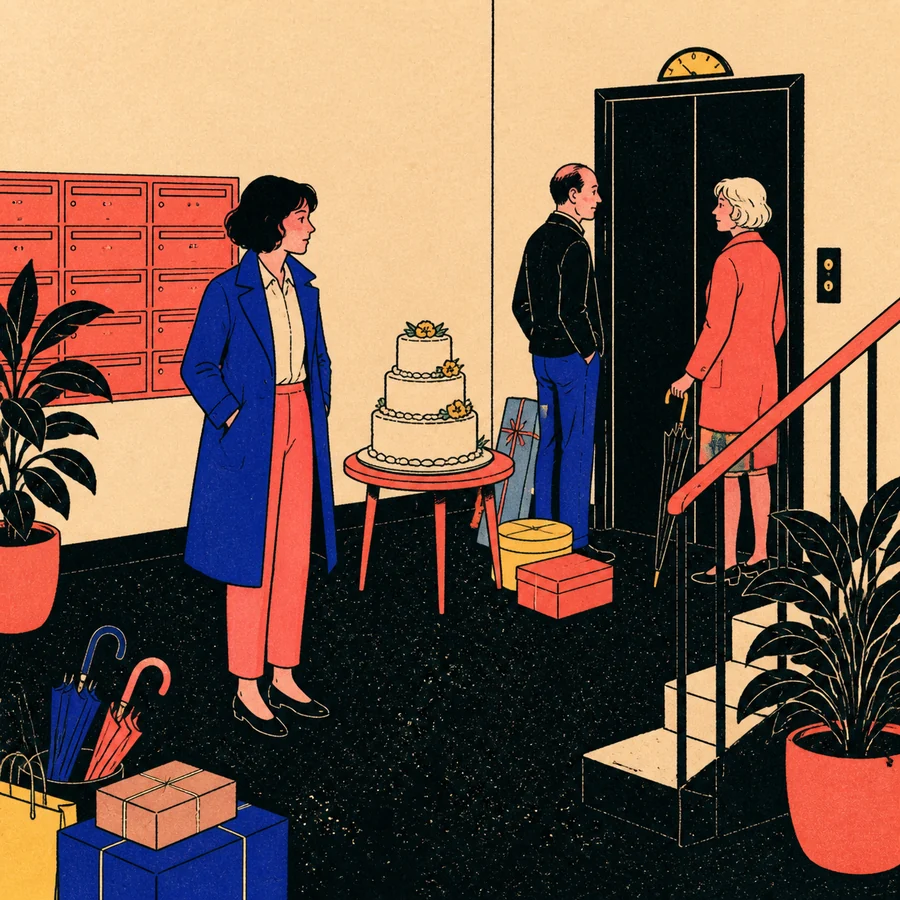
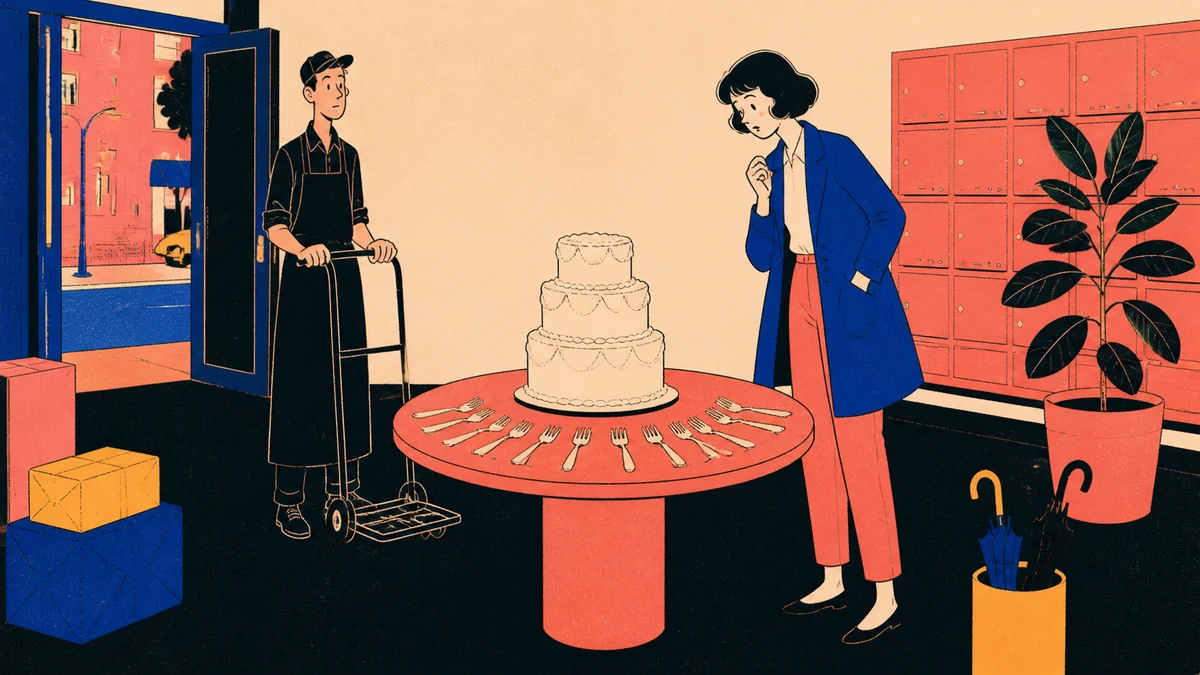
At 8:10 on the morning Bea's divorce became final, a bakery delivered a wedding cake with both her and her ex-husband's names spelled correctly. It came with twelve forks, which felt optimistic. If you want to know how to write a hook, give the reader a person, a meaningful change, and a specific reason to read the next sentence. A hook can be one line or several. It must make a promise this story intends to keep.
Bea did not order the cake. She has not seen Daniel in four months. Somebody prepaid, so the driver leaves three tiers of buttercream on the apartment lobby table with the confidence of a person who has never had to refrigerate a divorce.
There are louder openings. The cake could explode. Daniel could leap from it. An assassin could be crouched behind the sugar roses, experiencing several professional regrets. None of that helps if this story is about two people deciding what remains after a marriage ends.
The cake already creates a question: who sent it? Better, it attaches that question to Bea. Will she call Daniel, give the cake away, or carry a celebration for a dead future upstairs?
What do story hook examples actually prove?
A story hook is the opening element that makes a reader want to continue. It may be a sentence, a paragraph, or a scene. In fiction, its best work is not merely attracting attention. It introduces the kind of attention the story will reward: interest in this person, voice, situation, or change.
That distinction matters. A locked box is mildly interesting. One your character recognizes and refuses to open has acquired a pulse.
Betsy Miller argues that the first line is only the first breadcrumb. The paragraphs after it still need character, uncertainty, tension, or a voice worth following. One sentence does not have to drag the whole novel uphill by its teeth. It earns the next sentence, which earns the next.
Bea touches the lid. A thumbprint has dented the frosting. That detail advances the opening because somebody handled the cake after it was finished.
How to write a good hook without shouting
Writers are often told to start with action, danger, or a shocking statement. Those can work. So can embarrassment, desire, an appealing voice, or an ordinary routine taking one wrong step.
Chuck Wendig calls a strong opening line a promise, question, or unproven idea. I like that wider door. A domestic comedy might hook us with Bea's opinion of the twelve forks. A thriller might reveal that the receipt was printed after Daniel disappeared. A quiet story might show that Bea knows who sent the cake and cannot decide whether being remembered is kinder than being left alone.
Volume is not relevance. Ask what this story wants the reader to care about first.
This is close to the problem of starting a short story with one changing situation. The opening needs movement, but movement can be a judgment changing by half an inch.
Does a hook have to be the first sentence?
No. The first sentence should give the second a fair chance. A fiction hook may gather across the first paragraph, page, or scene as character, voice, and uncertainty begin working together.
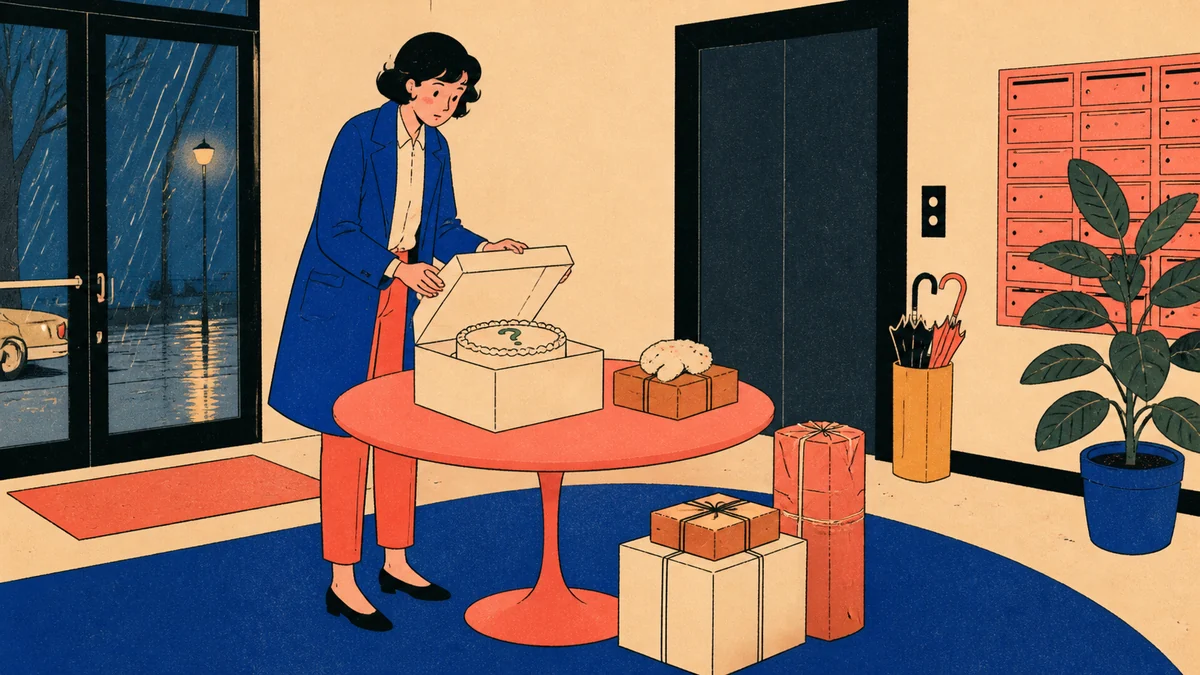
Daniel's name is spelled in green icing. Bea chose that color for the wedding; Daniel hated it and remembered anyway.
A beautiful first sentence cannot excuse a wandering first page. If Bea waits while the narrator gives us the history of tiered desserts, the story has wandered away while we hold its coat.
Keep laying breadcrumbs. Each early detail should deepen the person, the uncertainty, the tone, or the next choice. It does not have to answer the central mystery.
How to hook readers without confusing them
Give uncertainty edges. We know who Bea is in this moment, what arrived, why it is wrong, and what she can do. We do not know who ordered the cake or why.
Confusion removes the footing: a nameless woman enters an unexplained room, remembers something the author will not name, and gasps. The reader receives fog and is asked to admire the furniture.
Name the ordinary fact before withholding the unusual answer. A clear baseline lets the break register. This is why conflict matters when it changes the next choice, not when random trouble merely wanders through the frame.
K. M. Weiland offers another useful test: the opening hook should begin fulfilling the story's larger premise. If the cake is a delivery error that disappears before a novel about city politics, it was rented excitement. If it begins Bea's accidental gathering with the neighbors, it belongs.
Strong story openings keep their promise
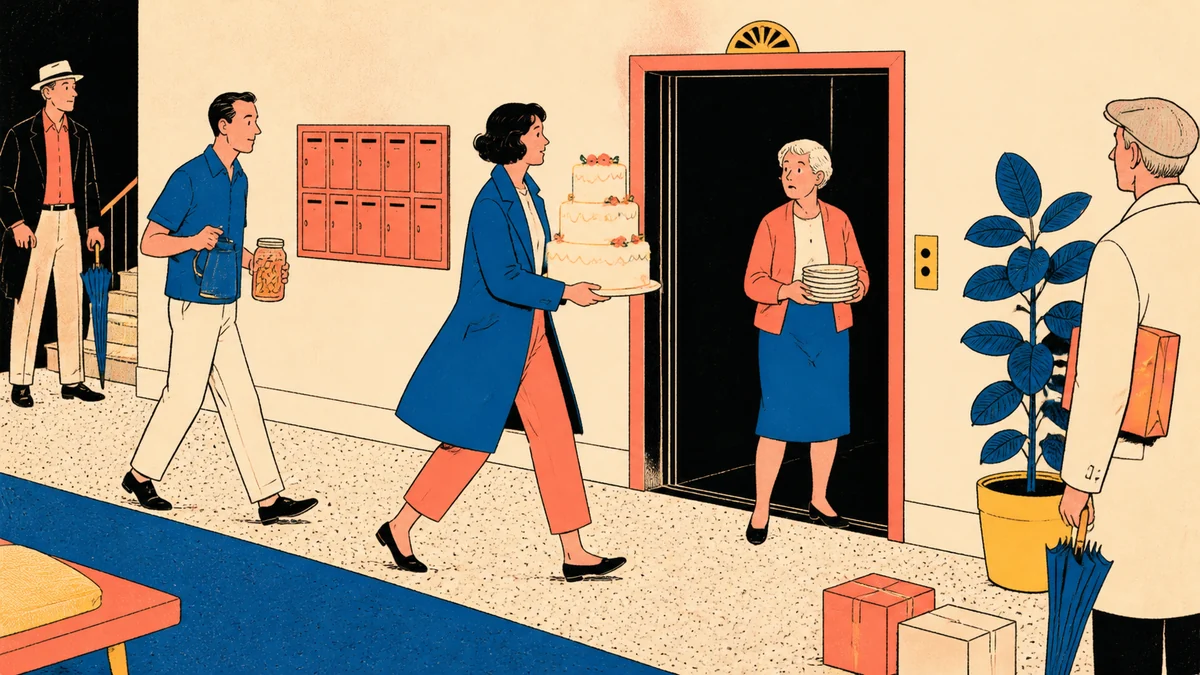
The elevator opens. A neighbor with paper plates sees Bea's face and begins to retreat. Then another arrives with coffee and a jar of pickles because every building has one person who treats “bring something” as a legal loophole.
Perhaps Daniel matters less than the building. Bea's private ending becomes an accidental gathering. The opening can prepare that story with a doorman who signs for everything and neighbors practiced at entering one another's occasions.
A good hook survives contact with the rest of the story. The voice continues. The person introduced here matters. The uncertainty becomes more specific. The opening does not trade a corpse, prophecy, or unusually motivated weather event for five minutes of attention and then change the subject.
This is where character choices reveal more than profiles. Bea becomes interesting through what she does with the cake and the unexpected guests, not through a paragraph explaining her personality before the elevator opens.
Should you write the hook first?
You can, but you do not have to keep it. Writers freeze when they expect one sentence to make a stranger read the whole story. Beginnings are often rewritten after the draft reveals its actual promise.
Draft far enough to learn what gathers energy. Then try the delivery, first slice, order slip, or neighbors already assembled. Choose the opening that points toward what the story actually cares about, not the one that arrived first.
A flexible novel outline can leave room for discoveries like this. Page one may have been there first and still be standing in the wrong doorway.
Useful answers, briefly
Hook writing FAQ
How long should a story hook be?
Long enough to establish a person, tone, or situation worth following. Stop adding setup when the reader has enough footing to wonder forward.
Can a quiet story have a strong hook?
Yes. A quiet hook can use voice, social discomfort, a changed routine, or a precise expectation. It still needs movement, but that movement does not require danger or spectacle.
Should a hook start with dialogue?
Only when the line is understandable enough to create useful interest. Unattributed dialogue can work, but it should quickly gain a speaker, setting, and consequence rather than floating as a clever sentence.
What makes a bad story hook?
A bad hook creates confusion, promises a different story, or stops working after the first line. Manufactured urgency and unrelated danger may attract attention while teaching the reader to expect the wrong book.
Can I change my hook after finishing the draft?
Yes. Once you know the story's center, revise the opening so its character, question, voice, and tone make the same promise.
The rule of thumb
Give the reader enough truth to form one useful question.
Then make the next sentence deepen it.
Bea lifts the lid. Their names are joined by a piped ampersand. Beneath Daniel's, somebody at the bakery has added a small green question mark.
The neighbor with the plates leans over Bea's shoulder. “Congratulations or condolences?”
Bea looks at the twelve forks, then at the elevator opening again.
She takes the cake upstairs.
Further reading
Sources
- Betsy Miller via Jane Friedman (opens in a new tab) supported treating the first line as the beginning of a continuing promise built through character, uncertainty, tension, and voice.
- K. M. Weiland (opens in a new tab) supported testing whether an opening represents the premise and begins the story rather than standing as an isolated stunt.
- Chuck Wendig (opens in a new tab) supported the opening line as a promise, question, or unproven idea and the first chapter as representative of the book.