Characters · Essay 10
DnD Character Ideas That Give the Table Something to Do
One altered prophecy, a suspicious cartographer, and a mule with strong editorial opinions about copper.

Someone arrives at session zero with a heroic biography thick enough to steady a wobbly table. Somewhere around page nine, the character has already defeated the villain. DnD character ideas work best when they give you a person who wants something, a reason to join the party, and unfinished trouble other people can touch. You need enough shape to make choices, not a private campaign everyone else has been hired to reenact.
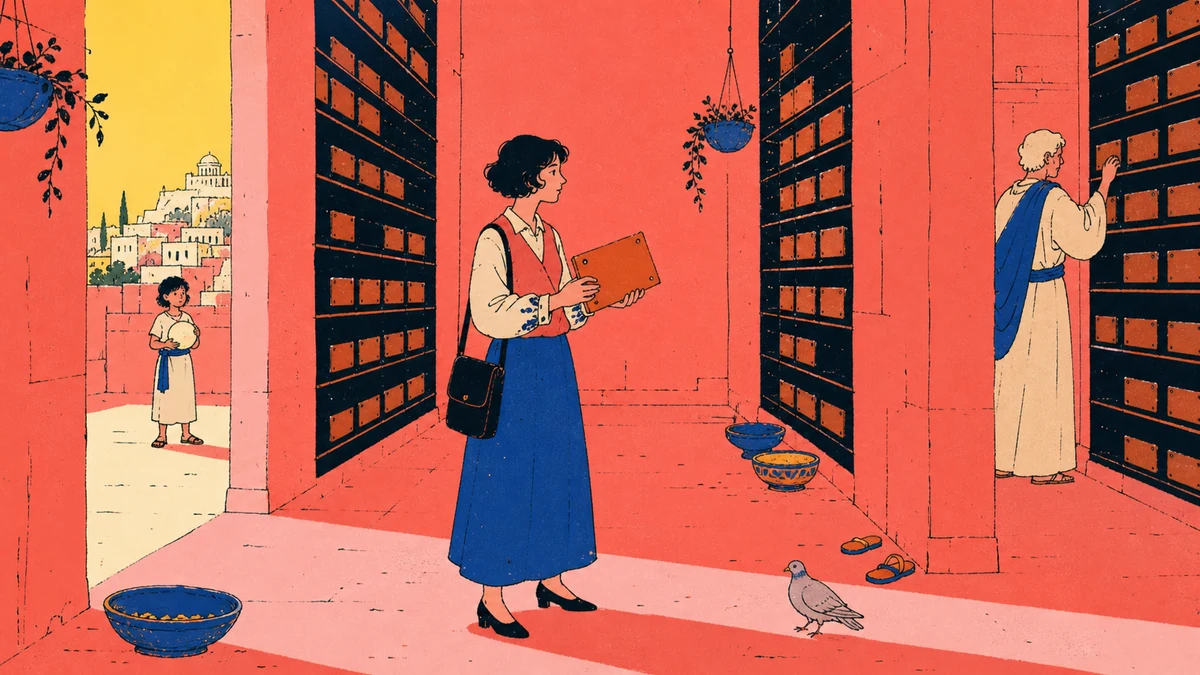
Consider Nera Pell. She works in a hill-city temple where accountants copy prophecies onto copper plates. Most days, she checks names, dates, and the marks proving a god completed the proper forms.
Last month, a plate named a child who would die before winter. Nera substituted a saint dead for three hundred years. This morning, auditors noticed the spacing. Now she needs people with bedrolls and forgiving opinions about forgery.
I don't know Nera's class yet. I do know what she can bring into a game: a belief in orderly records, one enormous dishonest act, a person she tried to save, and a temple that wants its plate back. The idea can move before every box is filled.
What makes a good DnD character idea?
A good idea produces choices. Species, class, background, and abilities can all start it, but a label alone does not tell you what the person will do when the cleric lies, the bridge collapses, or the innkeeper quietly returns the stolen purse.
“Elf rogue” is a perfectly sound beginning. It is also taxonomy. Ask what the rogue wants badly enough to take risks, why those risks belong with this group, and what belief could make the obvious move impossible. Maybe she steals only objects nobody admits owning. That rule sounds tidy until the party finds a stolen royal seal in her coat.
The same move works from mechanics. If you want to protect allies, decide what being needed does to the character. One protector enjoys becoming indispensable. Another is tired of choosing who gets saved.
This is close to the idea in the essay on writing better characters through choices. For a tabletop character, though, the choice must also leave room for somebody beside the author to answer back.
How do DnD character concepts become playable?
A playable handle is a person, object, goal, promise, place, or unfinished question that can enter the shared game. Nera has the altered plate, the living child, an auditor who knows her handwriting, and a stubborn belief that records should tell the truth. None of those facts dictates the ending.
Justin Alexander advises GMs to treat backstories as sources of goals, people, places, and objects that can become scenarios. Turn that around for the player: offer material, not orders. The GM may ignore the auditor. Another character may have served the temple. The plate might be quietly chewed by a mule with excellent editorial instincts.
Not every handle needs to ring in the first session. An ordinary attachment can wait. Give the character a brother who sends recipes, a patient cobbler they owe money, or an ugly quilt they insist is historically important. These details make the person livable even when no prophecy is speaking.
They also let other players touch the character without activating the finale. A cursed bloodline has its place. So does arguing about who packed the wet quilt.
Start DnD character creation with useful trouble
When a blank sheet is winning, borrow a familiar role and give it one uncomfortable turn. Keep the result open enough to fit several classes and campaigns.
The monster hunter with a sanctuary at home
Their family protects the creatures others pay them to kill. Which monster counts as dangerous?
The retired guard looking for the person they convicted
One witness withdrew a statement, and the former guard cannot tell whether an apology or another arrest waits at the end.
The cartographer who draws places before they exist
One new road appears on the map each morning. Today it ends at another party member's childhood home.
The bard who writes premature obituaries
The joke is obvious. The useful question is why the bard is so afraid a life will pass unnoticed that they keep getting the ending wrong in advance.
These are sparks, not completed builds. Change the setting, relationship, class, tone, and source of trouble. If an idea survives those changes, it probably has more than a costume holding it up.
How much story do character backstory ideas need?
Enough to explain why the character is here, what they care about, and what past fact still affects present choices. Beyond that, length is not a moral issue. A page can be inert. Ten pages can be generous and full of openings. Trouble starts when the history has already decided what the campaign must reveal.
James Haeck's D&D Beyond essay on backstory makes two useful points: a player character must be capable of joining adventurers, and a detailed past should still allow growth through play. Nera's forgery explains why she leaves. It does not prove whether she was right or how she will feel when somebody alters a record to hurt her.
I would keep one fact the character believes but the player does not need confirmed. Nera believes the prophecy was real. Perhaps it was. Perhaps the temple predicted a death it planned to cause. Perhaps the saint's substituted name has now begun appearing on other plates. Uncertainty gives the present somewhere to go.
Mike Shea suggests learning characters through guiding questions during play. That appeals to me more than making the biography perform every introduction. If someone asks Nera when she first stopped trusting prophecy, I would rather hear the answer beside a campfire than staple it to paragraph eleven before anybody has rolled a die.
For more on keeping the past under present pressure, the essay about conflict changing the next choice follows the same current through fiction.
Why should session zero change your character?
Session zero is where the imagined character meets the actual campaign: its tone, boundaries, allowed options, and other people. D&D Beyond's session-zero guidance treats that conversation as a way to align what kind of game everyone wants and how characters will be created. It is not an originality tribunal. Nobody confiscates Nera at the door.
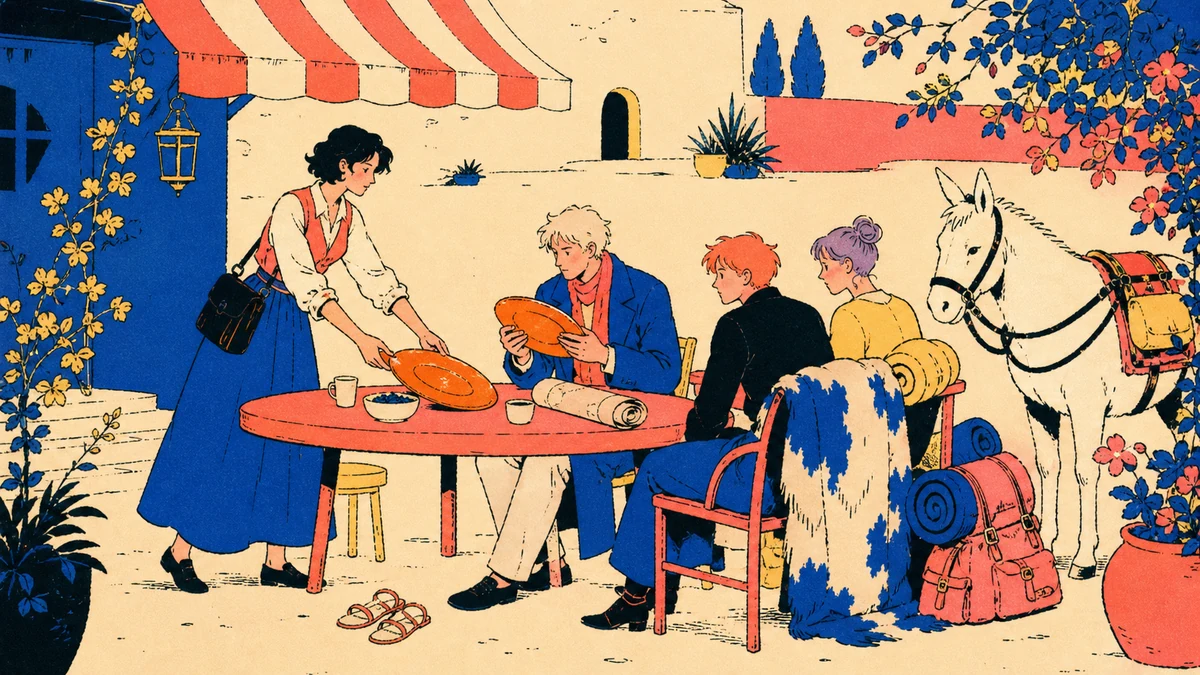
The GM may say this world has no prophecy temples. Nera can become a census clerk who altered a conscription list. Another player may already be bringing a fugitive archivist. Better. Perhaps they changed opposite sides of the same document.
Let another player's idea alter yours.A connection made together is often more playable than another paragraph written alone. Your gloomy ranger could recognize the cartographer's impossible road. The healer may once have saved the guard's wrongly convicted prisoner. Suddenly two characters have a conversation waiting before the tavern has finished pretending not to be the opening location.
The character needs a reason to stay with the group. “I work alone” is fine for a person about to learn otherwise. It is a poor permanent policy for a weekly game with five chairs. The lone wolf has joined a group project. At minimum, the wolf should stop eating the glue.
Distrust, rivalry, and incompatible goals can create lively play if the character still participates and can be changed. Refusing every invitation is not mystery. It is an extremely slow exit.
What makes fun D&D character ideas last?
A joke can start a character. It just needs another source of motion after the table understands the bit.
The premature-obituary bard is funny. They become durable when the obituaries reveal a desire: nobody should vanish without being noticed. Now the character's worst habit is also an awkward act of care, performed with the bedside manner of a falling cabinet.
A paladin who interprets every oath through maritime law is funny for at least one harbor. What promise did they once word carelessly? What happens when exact language protects a villain? The joke opens the door; a want and a limit keep the person in the room.
Voice works the same way. An accent is not a personality, and a catchphrase becomes rent due every session. Give the character something they avoid saying and someone they speak differently around. The essay on dialogue shaped by different wants can help once the voice needs more than volume.
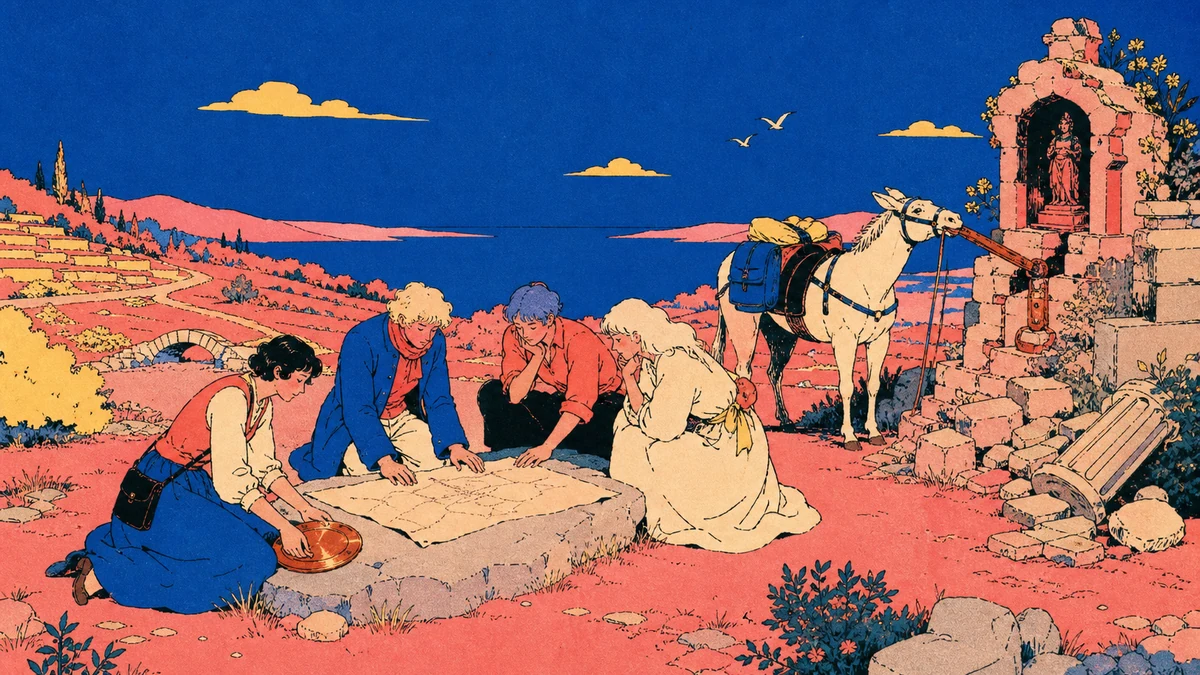
The character will become particular through play anyway. Three sessions from now, Nera may have heard the guard defend her forgery for the wrong reason, watched the bard revise an obituary, and discovered what the mule does with copper. That material was not missing from the character sheet. It had not happened yet.
Useful answers, briefly
D&D character ideas FAQ
Should I choose a DnD class or a backstory first?
Either can come first. Start with the ability you want to use or the person you want to portray, then connect the two. The useful test is whether the combination gives you clear choices in the campaign you are actually joining.
How long should a D&D character backstory be?
Use the length your table welcomes and your idea needs. Explain why the character adventures, name a few unfinished problems, and leave room for play to change them. A longer history can work when it does not demand the spotlight.
How do I make my D&D character idea unique?
Do not chase a species-and-class combination nobody has seen. Add a specific desire, contradiction, and relationship to the campaign. Familiar pieces become particular through this person's choices.
Can I change my character idea during session zero?
Yes, when the table permits it. Adjusting the concept to the setting, tone, boundaries, and other characters is part of collaborative creation, not a failure of imagination.
Can a funny D&D character work in a long campaign?
Yes, if the character has a want or relationship beyond the joke. Let consequences and other people change what the joke means.
The rule of thumb
Bring one person, one want, one reason to join, and two open handles to session zero.
Do not finish the private ending.
Nera sets the altered plate on the tavern table. Before she can explain it, the party's cartographer turns it over and recognizes the handwriting.
Ask the next question in play.
Further reading
Sources
- Justin Alexander at The Alexandrian (opens in a new tab) supported using goals, people, places, objects, and connections from character backstories while balancing spotlight.
- Mike Shea at Sly Flourish (opens in a new tab) supported one distinctive character fact and guiding questions that discover useful details during play.
- James Haeck at D&D Beyond (opens in a new tab) supported party fit, adaptable backstory, and room for growth; his session-zero guide (opens in a new tab) supported aligning campaign and character expectations.